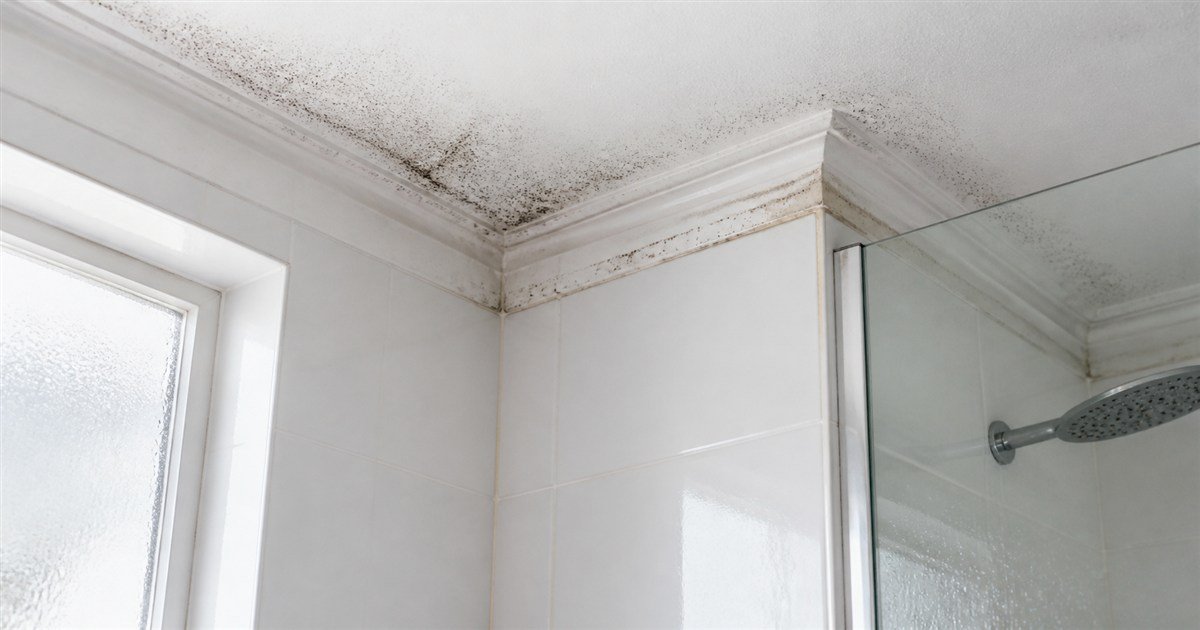
Bathroom mould is a common problem because bathrooms regularly produce heat, steam and moisture. When that moisture remains on walls, ceilings, grout, silicone or other surfaces for too long, it can create conditions where mould can grow.
Understanding what causes bathroom mould is important because cleaning the visible mould alone may not solve the underlying problem. If excess moisture, poor airflow or a leak remains, the mould can return.
For Sydney homeowners, the cause can be as simple as inadequate ventilation or as significant as a plumbing, waterproofing or building issue that requires further investigation.
Why Does Mould Grow in Bathrooms?
Mould needs moisture to grow, and bathrooms naturally produce a significant amount of water vapour through showers, baths and everyday use.
When warm, humid air cannot escape effectively, moisture can settle on cooler surfaces such as walls, ceilings, windows, tiles and mirrors. Over time, damp areas can support mould growth.
Reducing dampness and improving airflow are therefore important parts of bathroom mould prevention.
1. Poor Bathroom Ventilation
Poor ventilation is one of the most common reasons mould develops in bathrooms.
During a shower, large amounts of moisture enter the air. If the bathroom does not have an effective exhaust fan, open window or another way for humid air to leave the room, moisture can remain trapped inside.
You may notice:
- Mirrors staying fogged for a long time after showering
- Water droplets forming on walls or ceilings
- A damp or musty smell
- Mould repeatedly forming near the ceiling or corners
- Paint or finishes beginning to deteriorate
Bathroom exhaust fans should help remove moist air from the room and direct it appropriately away from enclosed building areas.
2. Condensation on Walls and Ceilings
Condensation occurs when warm, moisture-filled air comes into contact with a cooler surface.
This is why water droplets often appear on bathroom mirrors, windows, tiles or painted surfaces after a hot shower.
Condensation becomes a mould risk when surfaces remain damp for extended periods or repeatedly become wet without having enough opportunity to dry.
Bathrooms with cold external walls, limited airflow or poor moisture control may experience more persistent condensation.
3. Plumbing Leaks
Not all bathroom moisture comes from showers or condensation.
A leaking pipe, tap, toilet connection, basin waste or shower fitting can introduce moisture into areas that may not be immediately visible.
Possible warning signs include:
- Persistent dampness around fixtures
- Water staining on walls or ceilings
- Swollen cabinetry or skirting
- Peeling paint
- A recurring musty smell
- Mould appearing repeatedly in one concentrated area
If mould continues to return despite good ventilation and regular cleaning, it may be worth checking whether a hidden plumbing issue is contributing to the moisture.
4. Problems Around Showers and Wet Areas
Bathrooms contain areas that are repeatedly exposed to water, particularly showers and baths.
Over time, deteriorated silicone, damaged grout, failed seals or other wet-area issues can allow moisture to reach surrounding materials.
Visible mould around silicone or grout does not automatically mean there is a serious waterproofing problem. However, persistent moisture, loose tiles, damaged finishes or water appearing outside the expected wet area should not be ignored.
Where moisture appears to be entering walls or floors, the underlying cause should be investigated rather than repeatedly treating only the visible mould.
5. Inadequate Waterproofing
Waterproofing is an important part of bathroom construction and renovation because it helps protect building materials from repeated exposure to water.
If waterproofing is damaged, incorrectly installed or no longer performing as intended, moisture may reach areas behind tiles or beneath finished surfaces.
Because these areas are concealed, the first visible signs may appear somewhere else, such as staining, swelling, damaged finishes or persistent dampness.
If there are signs of water escaping from the bathroom or affecting surrounding rooms, a professional assessment may be needed to determine whether waterproofing or another building issue is involved.
6. Mould in Grout and Silicone
Grout lines and silicone joints are common places for bathroom mould to appear because they are frequently exposed to moisture.
Soap residue and other surface contamination can also collect in these areas, making regular cleaning important.
Mould limited to surface silicone or grout may sometimes be a maintenance issue. However, mould that repeatedly returns very quickly can indicate that the area is staying damp for too long.
Improving ventilation and allowing the bathroom to dry properly is therefore just as important as cleaning the visible growth.
7. Wet Towels, Bath Mats and Other Damp Materials
Moisture can also build up when wet towels, bath mats and other materials remain damp inside the bathroom.
These items can increase humidity and slow the drying process, particularly in smaller bathrooms with limited airflow.
Where possible:
- Hang wet towels so they can dry properly
- Dry bath mats regularly
- Avoid leaving damp clothing in the bathroom
- Allow air to circulate after showers and baths
8. Poor Airflow Around Cabinets and Corners
Even if a bathroom has an exhaust fan, some areas can still receive limited airflow.
Spaces behind cabinetry, in corners, around windows or against external walls may remain cooler and damper than the rest of the room.
This can explain why mould sometimes appears repeatedly in the same location while other parts of the bathroom remain unaffected.
How Can You Reduce Bathroom Mould?
The most effective approach is to reduce the moisture conditions that allow mould to grow.
Use the Exhaust Fan
Run the bathroom exhaust fan during showers and allow it to continue operating afterwards to help remove lingering moisture.
Improve Airflow
Where practical, open a window or door after using the bathroom to help the room dry.
Remove Condensation
Wiping excess moisture from windows, walls or other surfaces can reduce the amount of water left inside the room.
Fix Leaks Promptly
Leaking plumbing fixtures or other water-entry problems should be investigated and repaired rather than allowing surrounding materials to remain damp.
Keep Surfaces Clean and Dry
Regular cleaning can help reduce surface mould, particularly around grout, silicone and other areas exposed to moisture.
Drying cleaned surfaces and addressing the reason they remain damp is important because mould is likely to return if the underlying moisture problem remains.
When Bathroom Mould May Indicate a Larger Problem
Occasional surface mould in a high-moisture bathroom does not necessarily mean the room needs to be completely renovated.
However, further investigation may be appropriate when you notice:
- Mould returning soon after cleaning
- Persistent damp or musty smells
- Peeling or bubbling paint
- Swollen cabinetry or skirting
- Water staining outside the bathroom
- Loose or damaged tiles
- Visible leaks
- Moisture affecting adjoining rooms or ceilings
These signs may indicate that the visible mould is only one symptom of a moisture, ventilation, plumbing or building issue.
Bathroom Renovations Can Help Address Ongoing Moisture Issues
If an older bathroom has recurring moisture problems, a renovation can provide an opportunity to assess the room more thoroughly and improve how the space manages water and ventilation.
Depending on the project, this may involve reviewing the bathroom layout, exhaust ventilation, plumbing fittings, wet-area surfaces, tiling and other elements before new finishes are installed.
The aim should not simply be to cover existing mould with new paint or finishes. Any underlying moisture problem should be understood and addressed as part of the renovation planning process.
Planning a Bathroom Renovation in Sydney?
Bathroom mould is usually a sign that moisture is remaining in the room for longer than it should. Poor ventilation, condensation, plumbing leaks, wet-area deterioration and other moisture problems can all contribute.
Identifying the source is more useful than repeatedly treating visible mould without addressing why the area remains damp.
RADZ Renovations provides bathroom renovation and home improvement services across Sydney, helping homeowners update older bathrooms with practical planning, quality workmanship and attention to detail.
Thinking about renovating an older bathroom? Contact RADZ Renovations to discuss your bathroom renovation requirements and request a quote.