A leaking roof can begin as a small stain or occasional drip, but leaving the problem unresolved can allow moisture to spread into ceilings, walls, insulation and other parts of the home. Finding the source and arranging roof leak repairs early can help reduce the extent of the damage.
For Sydney homeowners, roof leaks can result from damaged roofing materials, deteriorated flashing, blocked drainage, failed seals or problems around roof penetrations. RADZ Renovations provides roof repair and maintenance services as part of residential repair and renovation work across Sydney.
Common Signs of a Roof Leak
A roof leak is not always immediately obvious. Water can enter at one point and travel through the roof structure before becoming visible inside the home.
Common warning signs include:
- water stains on ceilings or walls
- dripping water during or after rain
- peeling or bubbling paint
- damp or discoloured plasterboard
- musty smells in ceiling spaces or rooms
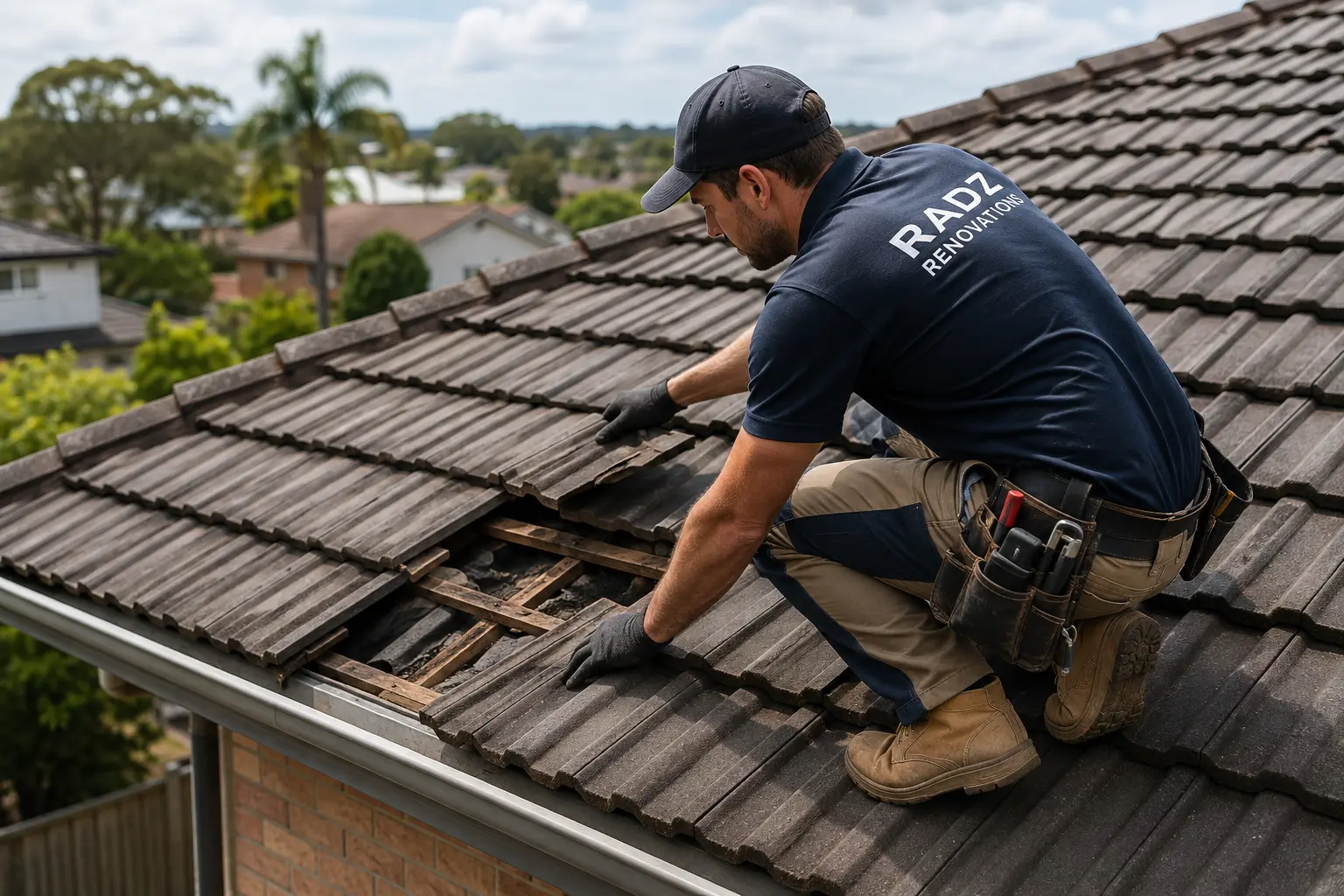
- damaged or missing roof tiles
- corrosion or deterioration around metal roofing
- visible problems around flashing and roof penetrations
If these signs appear, identifying the source is more important than simply covering or repainting the visible interior damage.
What Causes Roof Leaks?
Roof leaks can develop for many reasons, and the source is not always directly above the area where water appears inside the property.
Damaged or Missing Roof Tiles
Cracked, displaced or missing tiles can expose areas of the roof to water entry. Tiles may deteriorate over time or become damaged during severe weather.
Roof Flashing Problems
Flashing helps prevent water entering around roof junctions, chimneys, vents and other penetrations. Deteriorated, damaged or incorrectly installed flashing can become a pathway for water.
Blocked Gutters and Drainage
Leaves, dirt and other debris can restrict roof drainage. When water cannot drain effectively, it may overflow or reach areas that are more vulnerable to moisture penetration.
Deteriorated Seals
Sealants around penetrations and roof components can deteriorate over time. Once a seal fails, rainwater may find its way into the roof structure.
Age and General Roof Deterioration
Roofing materials are exposed continuously to sun, rain, wind and changing temperatures. Regular inspection and maintenance can help identify deterioration before it develops into a more significant problem.
Why Roof Leaks Should Be Repaired Early
Water entering a building can affect more than the roof covering itself. Continued moisture exposure may damage plasterboard, paint, insulation, timber and other building materials.
What begins as a relatively localised roof problem can therefore lead to additional repair work inside the home.
Early investigation gives homeowners a better opportunity to address the cause before the visible damage becomes more extensive.
Roof Leaks and Ceiling Damage
Ceiling stains are one of the most recognisable signs of water penetration.
However, repainting a stain does not solve the underlying problem. The source of the moisture should first be identified and repaired, and affected materials should be assessed before cosmetic finishes are restored.
Where water has damaged internal walls or ceilings, additional plasterboard repair or installation may be required after the leak itself has been resolved.
Roof Leaks and Electrical Safety
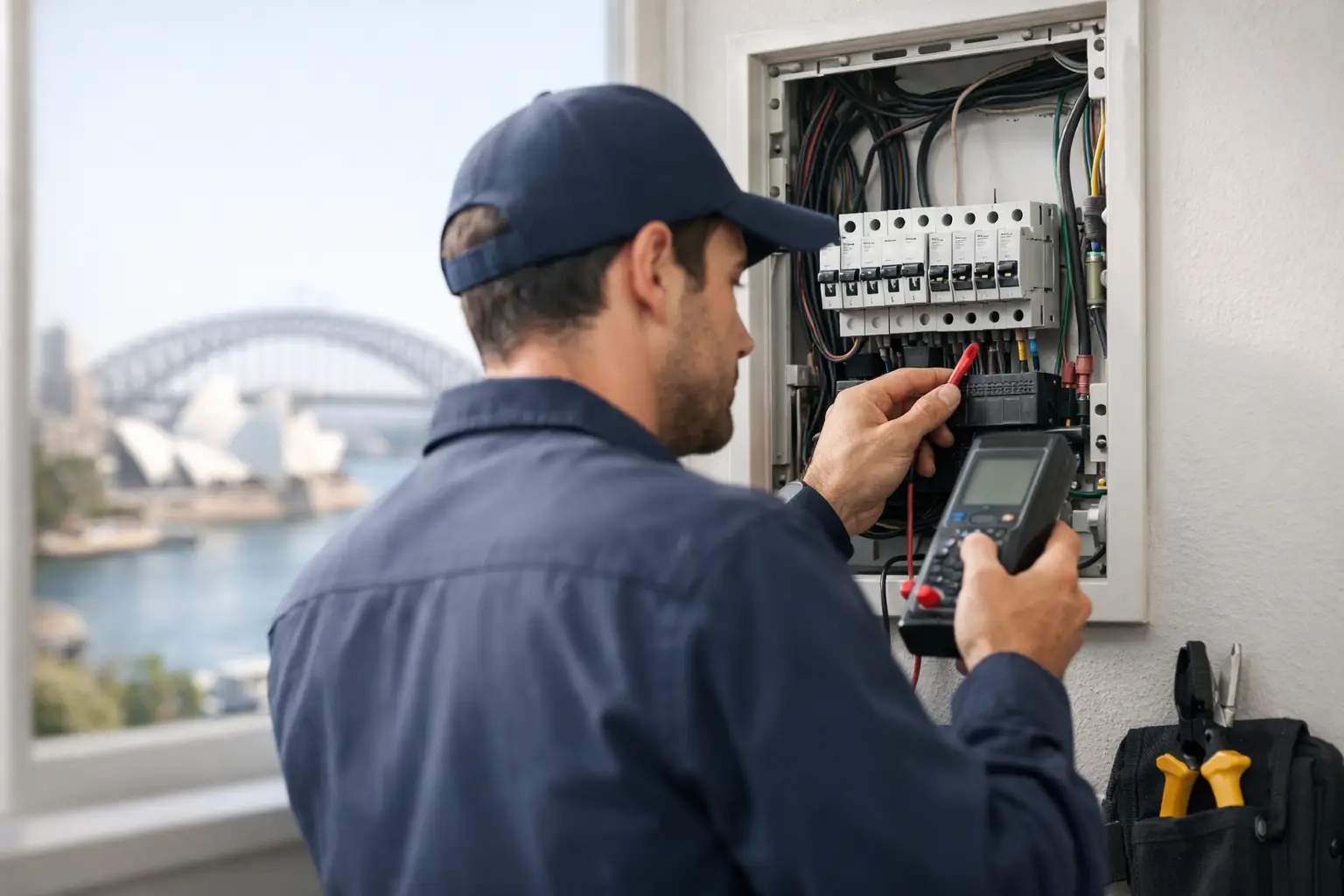
Water entering a ceiling or wall can become particularly concerning when electrical wiring, fittings, lights or other electrical components are nearby.
If water is affecting electrical equipment, avoid touching wet electrical fixtures or attempting electrical repairs yourself. Electrical work should be assessed and completed by an appropriately licensed electrician.
Where necessary, RADZ Renovations can coordinate relevant electrical services as part of broader renovation and repair work.
Can a Roof Leak Cause Mould?
Persistent moisture can create conditions that support mould growth. A hidden roof leak may therefore contribute to damp building materials and mould if the affected area remains wet.
Repairing the moisture source is an important part of addressing the underlying problem rather than repeatedly treating only the visible surface.
Moisture and ventilation can also contribute to mould in other parts of the home. Our guide on what causes bathroom mould explains some of the common moisture-related factors.
How Is the Source of a Roof Leak Found?
Locating a leak may involve inspecting the roof covering and areas where water commonly enters, such as flashing, penetrations, joints, gutters and drainage points.
The visible interior stain is useful information, but it does not always identify the exact entry point because water can travel along building components before appearing inside.
A proper inspection should therefore focus on finding the cause rather than assuming the leak is directly above the damaged ceiling.
Repair or Replace?
Not every leaking roof needs complete replacement.
If the problem is isolated and the surrounding roofing remains serviceable, targeted repairs may be appropriate. More widespread deterioration may require a broader assessment and more substantial work.
The right approach depends on factors such as the roofing material, age, condition, extent of deterioration and source of the leak.
Roof Maintenance Can Help Identify Problems Earlier
Waiting for water to appear inside the house is not the ideal way to discover a roofing problem.
Periodic roof and drainage checks can help identify damaged materials, deteriorated seals, blocked gutters and other issues before they lead to noticeable interior water damage.
For more preventative advice, see our guide to roof maintenance for Sydney homes and buildings.
What to Do When You Notice a Roof Leak
If you discover signs of a roof leak, focus first on protecting people and the interior of the property.
- Keep people away from sagging or heavily water-damaged ceilings.
- Move furniture and belongings away from active drips where it is safe to do so.
- Do not touch wet electrical fixtures or wiring.
- Document visible damage with photographs if appropriate.
- Arrange an inspection to identify and repair the source.
Avoid climbing onto a wet, damaged or unfamiliar roof yourself. Working at height introduces serious fall risks and should be left to people with the appropriate skills and safety measures.
Repairing Interior Damage After a Roof Leak
Once the source of water entry has been addressed and affected areas have dried appropriately, the interior damage can be assessed.
Depending on the extent of the problem, restoration may involve replacing damaged plasterboard, repairing surfaces and repainting affected rooms.
RADZ Renovations can coordinate roof repairs with home renovation and repair work where the leak has affected other areas of the property.
Roof Leak Repairs for Sydney Homes
A roof leak should not be ignored simply because the visible signs appear minor. Water can travel beyond the original entry point and affect parts of the building that are not immediately visible.
RADZ Renovations provides roof repair and maintenance in Sydney alongside plasterboard, painting, electrical and broader home repair services.
If you have noticed ceiling stains, water entry or other signs of a possible roof leak, contact RADZ Renovations to discuss an inspection and suitable repair approach.