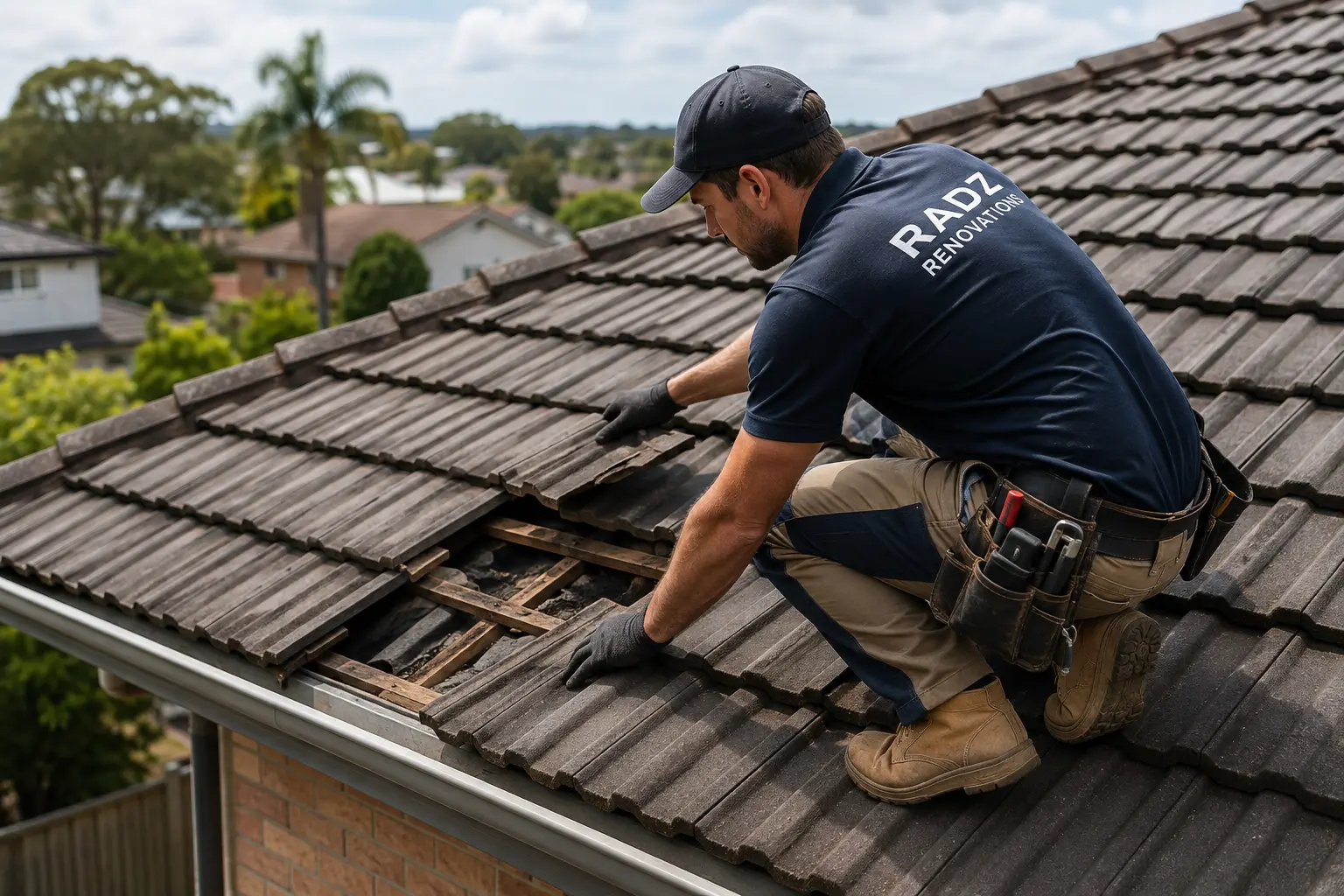

Your roof is one of the most important protective elements of your property, yet it can be easy to overlook until a visible problem appears. Regular roof maintenance in Sydney can help identify deterioration, damaged components and drainage issues before they develop into more disruptive problems.
Sydney properties are exposed to changing weather conditions throughout the year, including periods of heavy rain, strong winds, heat and storms. Over time, these conditions can affect roofing materials, flashing, gutters, downpipes and other components responsible for keeping water away from the building.
Whether you own a house, investment property or other building, understanding what to look for can help you make better decisions about ongoing roof care and repairs.
Why Regular Roof Maintenance Matters
A roof does not need to be visibly leaking before it deserves attention. Small defects can develop gradually and may not be obvious from inside the property.
Regular inspections and maintenance can help identify issues such as loose or damaged roofing materials, deteriorated flashing, blocked drainage and areas where water may not be moving away from the roof correctly.
Addressing smaller problems early can also help reduce the likelihood of moisture affecting ceilings, walls, insulation and other parts of the property.
Roof maintenance should therefore be considered part of general property maintenance rather than something that only happens after a leak appears.
Common Signs Your Roof May Need Attention
You do not need to climb onto the roof yourself to notice many of the warning signs associated with roofing problems. In fact, working at height can be dangerous and is better left to appropriately qualified professionals where inspection or repair requires roof access.
From ground level and inside the property, watch for signs such as:
- Water stains or discolouration on ceilings and walls
- Visible leaks during or after rain
- Loose, cracked, displaced or damaged roofing materials
- Rust or deterioration around metal roof components
- Damaged or deteriorated flashing
- Overflowing or blocked gutters
- Damaged or disconnected downpipes
- Debris collecting on the roof or in drainage areas
- Visible deterioration around roof penetrations
- Changes to ceilings or internal areas that may indicate moisture
One sign does not necessarily mean that major work is required. However, unexplained moisture, visible damage or recurring drainage problems are good reasons to have the area assessed.
What Areas of a Roof Should Be Checked?
A roof is a system made up of several components. Effective roof repair and maintenance therefore involves looking beyond the main roof surface.
Roof Coverings
The condition of the roof covering should be checked for visible damage, movement or deterioration. The type of inspection and repair required will depend on whether the property has metal roofing, tiles or another roofing system.
Flashing
Flashing helps protect vulnerable junctions and transitions from water entry. Areas around roof penetrations, walls and changes in roof direction can require particular attention when signs of deterioration appear.
Gutters and Downpipes
Gutters and downpipes help move rainwater away from the roof and building. Leaves, dirt and other debris can interfere with drainage, while damaged or poorly functioning components may allow water to overflow where it should not.
NSW Government guidance classifies work involving the fixing, installation, renovation, alteration, repair and maintenance of guttering, downpipes and roof flashing as roof plumbing work.
Roof Penetrations
Areas around vents, skylights and other roof penetrations should be checked for deterioration or signs that water may be entering around them.
Internal Areas
Sometimes the first indication of a roofing issue appears inside the building. Water marks, peeling finishes, damp patches or changes around ceilings should not be ignored simply because the roof looks normal from outside.
Keep Gutters and Roof Drainage Working Properly
Roof drainage plays an important role in protecting a property during rainfall.
When gutters become obstructed by leaves and debris, water may not flow efficiently towards the downpipes. Depending on the roof and gutter arrangement, this can contribute to overflowing and unwanted water around parts of the building.
Property owners should keep an eye out for overflowing gutters during rain, visible vegetation or debris accumulation, damaged gutter sections and downpipes that appear loose or disconnected.
If accessing the roof or gutters would require working at height, avoid taking unnecessary risks and arrange for an appropriate professional to inspect the area.
Check the Roof After Severe Weather
Storms, strong winds and heavy rainfall can expose weaknesses that were not previously noticeable.
After significant weather, inspect the property safely from ground level and internally. Look for displaced materials, visible damage, unusual debris, overflowing drainage and new water marks inside the home.
If you notice active leaking, damaged roofing or another issue that could result in further property damage, arrange an assessment rather than waiting for the next period of rain.
Roof Leaks Should Not Be Ignored
A roof leak may appear small inside the home, but the visible water mark does not always show where the water originally entered.
Water can travel along building components before becoming visible on a ceiling or wall. For that reason, simply painting over a stain or treating the visible internal area does not resolve the source of the problem.
A proper assessment should focus on identifying where moisture is entering and what repair is appropriate for the affected roofing system.
Where water has already affected plasterboard, paint or other internal finishes, those areas may also require attention after the source of the moisture has been addressed.
Repair or Replace? It Depends on the Roof
Not every roofing problem requires extensive replacement work.
Localised damage may sometimes be addressed through targeted repairs and maintenance. In other situations, widespread deterioration, recurring problems or the overall condition of an older roof may justify discussing more substantial work.
The appropriate approach depends on factors including:
- The type and age of the roof
- The location and extent of the damage
- The condition of surrounding roofing materials
- Whether the issue has occurred previously
- The condition of flashing and drainage components
- The long-term plans for the property
An assessment of the actual roof condition is more useful than assuming that every leak requires a complete replacement or that every problem can be solved with a minor patch.
Include the Roof in Your Renovation Planning
If you are already planning a broader home renovation, it can be useful to consider the condition of the roof as part of the overall project.
Interior improvements are a significant investment. Identifying existing water-entry or roofing problems before completing new ceilings, plasterboard, painting and other finishes can help avoid having to repair newly completed areas later.
Roof-related work may also need to be coordinated with other improvements depending on the scope of the renovation.
How Often Should a Roof Be Checked?
There is no single inspection schedule that suits every Sydney property. The appropriate frequency depends on factors such as the age and type of roof, surrounding trees, previous problems and exposure to weather.
Rather than relying only on a fixed timetable, property owners should pay attention to the condition of the roof and arrange an assessment when there are visible signs of deterioration, after significant weather events or when unexplained moisture appears inside the building.
Older roofs and properties with a history of leaks or drainage problems may benefit from closer attention than newer roofing systems with no known issues.
Use Appropriately Qualified Trades for Roofing Work
Roofing work can involve both safety risks and regulated trade work, so property owners should use appropriately qualified and licensed tradespeople where required.
In NSW, roof plumbing includes work involving guttering, downpipes, roof flashing and certain roof coverings. Licensing requirements can depend on the category and value of the work, while specialist work has its own requirements.
Before arranging significant roofing or building work, homeowners can check current NSW Government requirements and verify the relevant contractor or tradesperson where necessary.
Planning Roof Maintenance or Repairs in Sydney?
Regular roof maintenance can help you identify problems early, protect surrounding parts of the property and make informed decisions about repairs before deterioration becomes more extensive.
RADZ Renovations provides roof repair and maintenance services in Sydney as part of its broader renovation and property improvement services.
If you have noticed roof damage, drainage problems or signs of moisture around your property, get in touch with RADZ Renovations to discuss your requirements and the appropriate next steps.
Need help with your property? Contact RADZ Renovations to discuss your roof maintenance or renovation project and request a quote.