

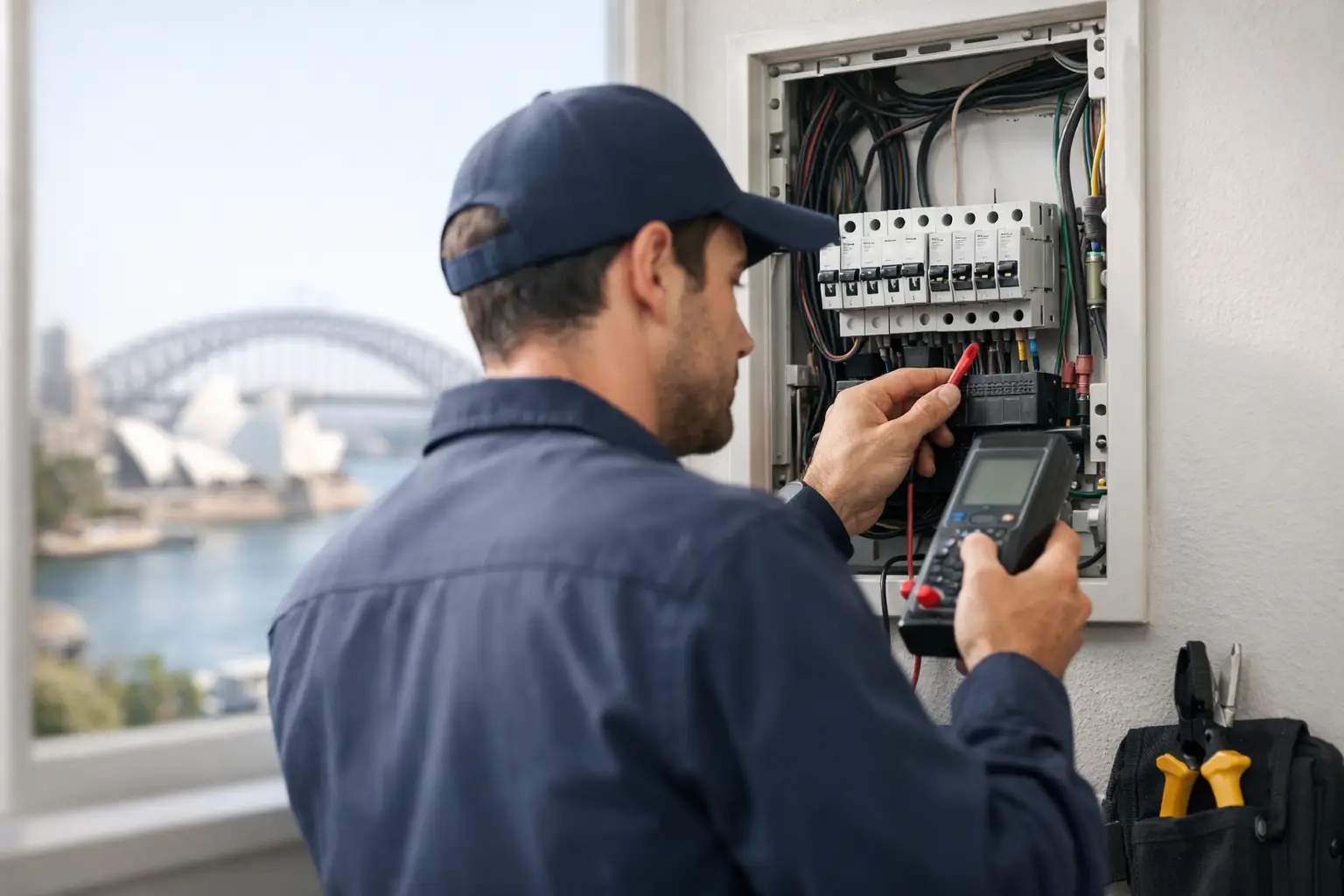
A new kitchen can look complete, a bathroom can feel brand new, and a freshly painted room can lift the whole home. But if the wiring behind the walls is outdated, overloaded or poorly installed, the finish is only part of the job. An electrical safety inspection Sydney property owners can rely on looks beyond switches and power points to identify risks before they become expensive repairs, electric shocks or fire hazards.
For homeowners, landlords and commercial property owners, an inspection is not about finding faults for the sake of it. It is a practical way to understand the condition of your electrical installation, make informed repair decisions and ensure planned renovation work starts on a safe foundation.
When should you book an electrical safety inspection?
The right timing depends on the age and use of the property. A well-maintained newer home may not need the same level of investigation as an older house with original wiring, frequent power issues or several additions completed over the years. Still, there are moments when arranging an inspection is particularly worthwhile.
Before a renovation is one of them. Kitchens, bathrooms, laundries and extensions often add high-demand appliances, extra lighting and new power points. An electrician can assess whether the existing switchboard, circuits and earthing arrangements are suitable for the proposed work. This prevents a design being finalised around electrical capacity the home does not actually have.
It also makes sense before buying an older property, after water damage or storm exposure, and when converting part of a home into a workspace. Landlords may also choose regular inspections as part of a planned maintenance approach, particularly between tenancies or where a property has ageing electrical fittings. Rental obligations can vary by situation, so it is sensible to seek advice based on the property and current NSW requirements rather than assuming one checklist applies to every tenancy.
Book promptly if you notice any of the following:
- circuit breakers that trip repeatedly or fuses that blow
- power points, switches or cords that feel warm, spark or show scorch marks
- lights that flicker or dim when appliances start
- a burning smell, tingling sensation from taps or appliances, or an electric shock
- damaged cables, loose outlets or moisture near electrical fittings.
A tripping safety switch can be doing its job by responding to a fault. Repeated trips, however, are not something to work around by continually resetting it. The cause needs to be found by a licensed electrician.
What happens during an electrical safety inspection in Sydney?
A proper inspection begins with questions. The electrician should understand the building’s age, recent renovations, recurring concerns, major appliances and any planned upgrades. This context matters. A family home adding an induction cooktop, for example, has different demands from a small retail premises fitting new display lighting and equipment.
The inspection commonly includes a visual assessment of accessible wiring and electrical fittings, testing of safety switches, checks at the switchboard, and examination of circuits, power points, switches and lighting. The electrician may look for damaged insulation, poor connections, signs of overheating, unsuitable alterations and inadequate protection against electric shock.
In bathrooms, laundries and outdoor areas, the placement and protection of electrical equipment deserve particular attention because water increases the consequences of a fault. Older homes may require closer consideration of earthing, switchboard condition and legacy wiring materials. Not every cable is accessible without opening walls or ceilings, so an inspection has limits. A good electrician will explain what was tested, what could not be accessed and whether further investigation is recommended.
If electrical work is required, the scope should be clear before work begins. In NSW, prescribed electrical work must be completed by appropriately licensed electrical contractors, and relevant compliance documentation should be provided where required. That paperwork is more than an administrative detail. It helps demonstrate that the work was performed to the applicable standards and gives owners a useful record for future maintenance, sale or insurance discussions.
Common issues found in older Sydney properties
Sydney homes come in many styles, from older brick houses and weatherboard cottages to apartments that have changed hands and layouts several times. Electrical systems do not always keep pace with those changes.
One common issue is a switchboard that was adequate decades ago but is now serving air conditioning, dishwashers, dryer circuits, home office equipment, electric vehicle charging and more. Another is a shortage of properly located power points, which leads to permanent reliance on double adaptors and overloaded extension leads. These are often signs that the electrical layout no longer suits the way the property is used.
DIY alterations and unverified past work can create problems too. A power point may appear fine on the surface while the connection behind it is loose, damaged or incorrectly installed. Similarly, a bathroom refresh may have improved the tiles and vanity while leaving older electrical fittings in place without considering the updated layout.
The solution is not always a full rewire. Sometimes a targeted repair, a safety switch upgrade, a new dedicated circuit or replacement fittings are enough. It depends on the inspection findings, the age of the installation and your plans for the property. A clear assessment helps you prioritise urgent safety work while budgeting sensibly for improvements that can be staged.
Why inspections matter before a kitchen or bathroom renovation
Electrical planning is easiest when it happens before walls are closed, cabinetry is installed and tiles are laid. Once the finishes are in place, changes can involve extra demolition, delay and cost.
In a kitchen, electrical needs extend beyond general lighting and a few bench power points. Ovens, cooktops, rangehoods, dishwashers, microwaves and integrated appliances may each need dedicated or carefully planned circuits. The location of outlets also needs to work with the cabinetry and appliance specifications, not simply where an old power point happened to be.
Bathrooms need the same care, with lighting, exhaust fans, heated towel rails, mirrors and power points positioned appropriately for the space. The work should support how the room will be used while meeting the safety requirements that apply in wet areas.
This is where coordinated renovation management can make a real difference. At RADZ Renovations, electrical work can be planned alongside plumbing, cabinetry, tiling and plasterboard work so trades are scheduled in the right order and the finished room is not compromised by avoidable changes later on.
How to prepare for an inspection
You do not need technical knowledge to prepare. Clear access to the switchboard, power points and areas where concerns have occurred is helpful. If possible, make a short note of when breakers trip, which appliance is in use at the time, and whether the issue happens in wet weather or at certain times of day.
Gather any available records from previous electrical work, renovations or appliance installations. These details may help the electrician understand how the system has been altered over time. If you are planning a renovation, bring plans, appliance selections or even a rough list of what you want to include. Early information leads to a more accurate scope and fewer surprises once work begins.
Most importantly, do not remove switchboard covers, attempt repairs or keep using a fitting that appears damaged. Turn off power at the switchboard if it is safe to do so, keep people away from the affected area and arrange professional advice.
A safe electrical system is rarely the most visible part of a property, but it supports every light, appliance and improvement you rely on. Booking an inspection before concerns become urgent gives you time to make considered decisions, protect the people using the space and keep your renovation or maintenance project moving forward with confidence.