

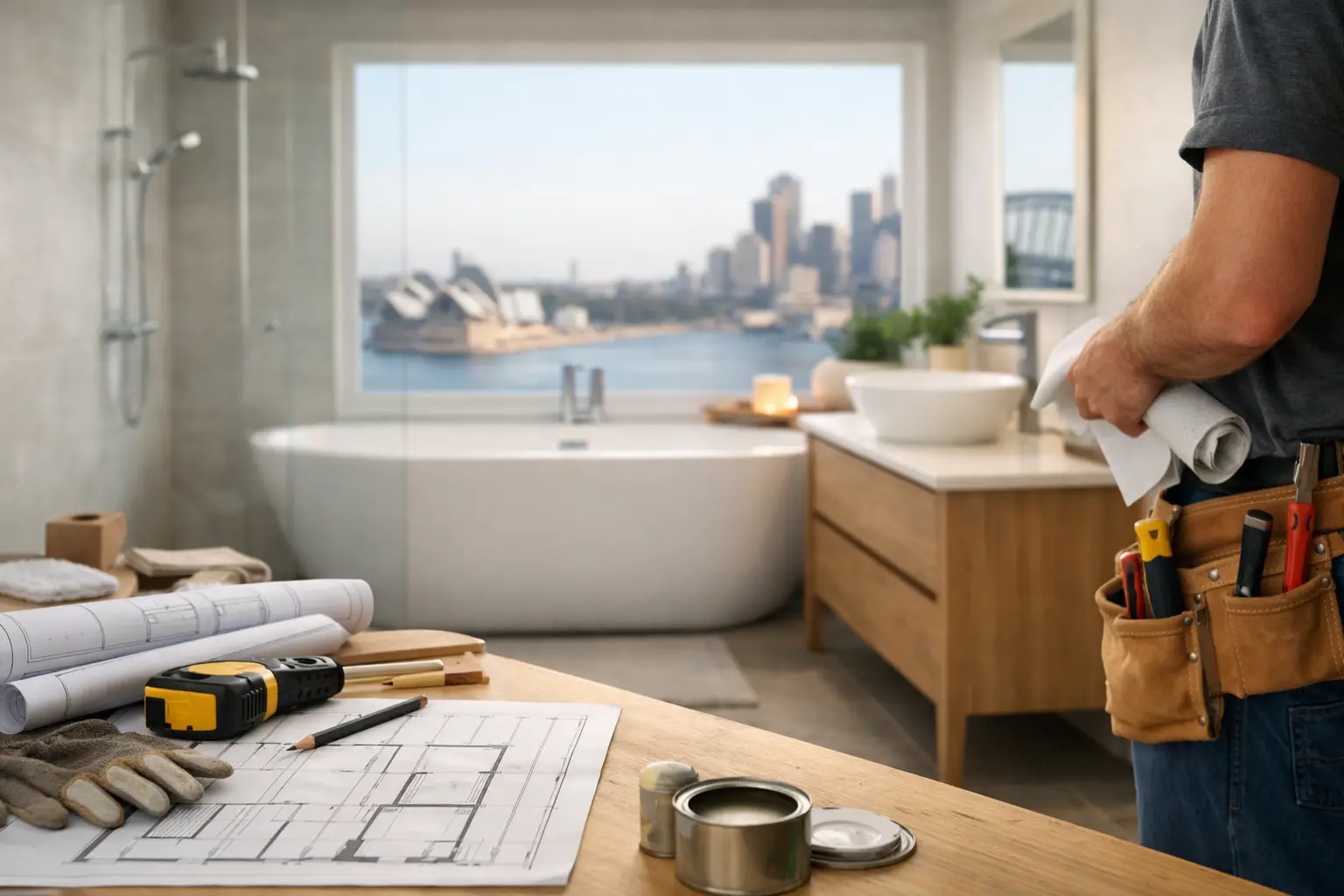
A bathroom that is cramped, hard to clean or constantly short on storage affects the start and end of every day. Well-planned bathroom renovations Sydney homeowners can rely on should do more than create a fresh look. They should make the room easier to use, safer around water and built to handle years of daily wear.
The difference usually comes down to planning. A new vanity or striking tile can transform the appearance of a bathroom, but the hidden work matters just as much. Plumbing positions, ventilation, waterproofing, electrical safety and the order of each trade all need to be considered before construction begins. Getting those details right helps protect your home, your budget and the quality of the finished space.
Start with how the bathroom needs to work
Before choosing tiles, take a close look at the way your household uses the room. A family bathroom needs different priorities from an ensuite, guest bathroom or rental property upgrade. For some homes, a double vanity and better morning traffic flow are worth more than a freestanding bath. For others, replacing an unused bath with a generous walk-in shower creates more practical floor space.
Think about the frustrations you want to remove. Is the vanity bench always crowded? Do towels have nowhere to go? Does the shower screen make the room feel boxed in? A clear brief gives the renovation team a practical starting point and prevents attractive but unsuitable choices from taking over the project.
The existing layout also deserves an honest assessment. Keeping the toilet, shower and vanity close to their current plumbing points can reduce labour and disruption. Moving them may be the right choice where the room is poorly planned, but it usually adds cost and requires careful coordination. The best layout is not necessarily the one seen in a display showroom. It is the one that suits your room dimensions, household routine and available budget.
Set a realistic scope before selecting finishes
Bathroom budgets can vary significantly because every home starts from a different point. A cosmetic update may involve a new vanity, tapware, lighting and painting. A full renovation can include demolition, new plumbing and electrical work, wall and floor tiling, waterproofing, carpentry, ventilation and final fitting. Older Sydney homes can also reveal damaged framing, uneven surfaces or previous water leaks once tiles are removed.
A detailed scope is the clearest way to avoid surprises. It should identify what is being removed, which fixtures are included, whether plumbing locations are changing and who is responsible for supplying materials. It should also account for practical details such as rubbish removal, protecting nearby floors and cleaning the site as work progresses.
Allow a contingency for issues that cannot be properly seen until demolition starts. That is not a sign of poor planning. It is sensible preparation, particularly in older properties. Clear communication about any variation before work proceeds gives you control over decisions rather than leaving you to deal with an unexpected invoice at the end.
Choose materials for daily use, not just display appeal
Bathrooms are high-moisture rooms, so finishes need to perform as well as they look. Tiles should suit the intended area, with slip resistance considered for floors and shower zones. Large-format tiles can create a clean, open feel with fewer grout lines, but they may require more preparation where walls or floors are not perfectly level. Smaller tiles can work well on shower floors and curved details, although they involve more grout to maintain.
For vanities, consider the available clearance around doors and drawers as well as the look of the cabinet. Wall-hung vanities make cleaning underneath easier and can help a compact room feel more open. Floor-standing units may offer a more substantial appearance and extra storage. The right choice depends on plumbing, wall structure and how much storage the household genuinely needs.
Tapware, shower fittings and accessories should be selected as a group. Matching finishes can give a bathroom a considered result, but durability and ease of cleaning are equally important. Matte black, brushed brass and other statement finishes can look excellent, yet they may show marks differently from chrome. Ask about care requirements before committing, especially in a busy family bathroom or investment property.
Make storage and lighting part of the design
A bathroom can be beautifully tiled and still feel unfinished if everyday items have no proper home. Recessed shower niches, mirrored shaving cabinets, vanity drawers and towel storage all need to be planned early. Adding them after waterproofing or tiling has started is rarely straightforward.
Good lighting is equally practical. Bright, even light around the mirror helps with shaving, skincare and getting ready for work. General ceiling lighting keeps the room functional, while a softer feature light can make an ensuite feel more relaxed. Electrical work in bathrooms has specific safety requirements, so fittings, switches and power points must be planned and installed by appropriately licensed professionals.
Ventilation should not be treated as an afterthought. Steam that lingers after a shower can lead to mould, peeling paint and damage to finishes over time. An effective exhaust fan, correctly positioned and suited to the room, helps protect the renovation long after the final clean.
Why waterproofing and trade coordination matter
The most important parts of a bathroom renovation are often covered by tiles once the work is finished. Proper substrate preparation, waterproofing and drainage are essential to a bathroom that lasts. A small failure behind a wall or under a floor can become an expensive repair, particularly if moisture reaches adjoining rooms or timber framing.
This is where coordinating the right trades makes a real difference. Demolition needs to happen cleanly and safely. Plumbing and electrical rough-ins must be completed before walls are closed. Surfaces need to be ready before waterproofing, then tiling, painting, cabinetry and fixture installation need to follow in the right sequence. When several separate contractors are booked independently, gaps and delays can arise easily.
A single renovation team can manage this process from initial planning to final detailing, keeping the work moving and giving you one clear point of contact. RADZ Renovations coordinates the trades needed for complete bathroom upgrades, with a focus on clean workmanship, transparent communication and work completed to the agreed scope.
Plan for your property type
A bathroom renovation in a freestanding home is not always the same as one in an apartment, townhouse or commercial property. Strata buildings may have requirements around approvals, work hours, lift access, noise, protection of common areas and plumbing changes. These should be clarified before ordering materials or setting a start date.
For landlords, the focus may be durable finishes, reliable fittings and a design that appeals broadly to tenants. For homeowners planning to stay long term, tailored storage, accessibility considerations and premium details may be more worthwhile. A renovation intended to improve resale appeal sits somewhere between the two. Neutral finishes and a functional layout often offer broad appeal, but the home’s price range and local market should guide how far you take the upgrade.
A smoother path from consultation to completion
The most successful projects begin with an on-site discussion, accurate measurements and a clear understanding of your priorities. This is the time to raise concerns about moisture, drainage, awkward layouts, ageing pipes or a tight timeframe. It is also the right point to decide where flexibility is possible and where you do not want to compromise.
Once the plan and selections are confirmed, ordering lead times should be checked before demolition starts. A delayed vanity, shower screen or special-order tile can hold up the final stages of a project. Choosing readily available products can help if timing is critical, while custom items may be worth the wait for a long-term home.
During construction, keep communication practical and direct. Ask how access will be managed, where materials will be stored and when water or power interruptions are likely. A respectful, tidy site makes renovation disruption easier to live with, especially when the bathroom is one of only one or two in the home.
A considered bathroom does not need to chase every trend. It needs to suit the people using it, stand up to moisture and daily routines, and be completed with care behind every finished surface. Start with the problems you want solved, then choose a renovation partner who can turn that brief into a space that feels right every morning.