Electrical systems are easy to overlook when everything appears to be working normally. However, ageing wiring, damaged components, overloaded circuits and outdated switchboards can create problems that are not always obvious to a homeowner.
An electrical safety inspection in Sydney can help identify potential issues with a home’s electrical installation and determine whether repairs, upgrades or further testing may be required.
Knowing when to arrange an inspection is particularly important when buying an older property, planning renovations or noticing warning signs around your electrical system.
What Is an Electrical Safety Inspection?
An electrical safety inspection is an assessment of the electrical installation and relevant components within a property.
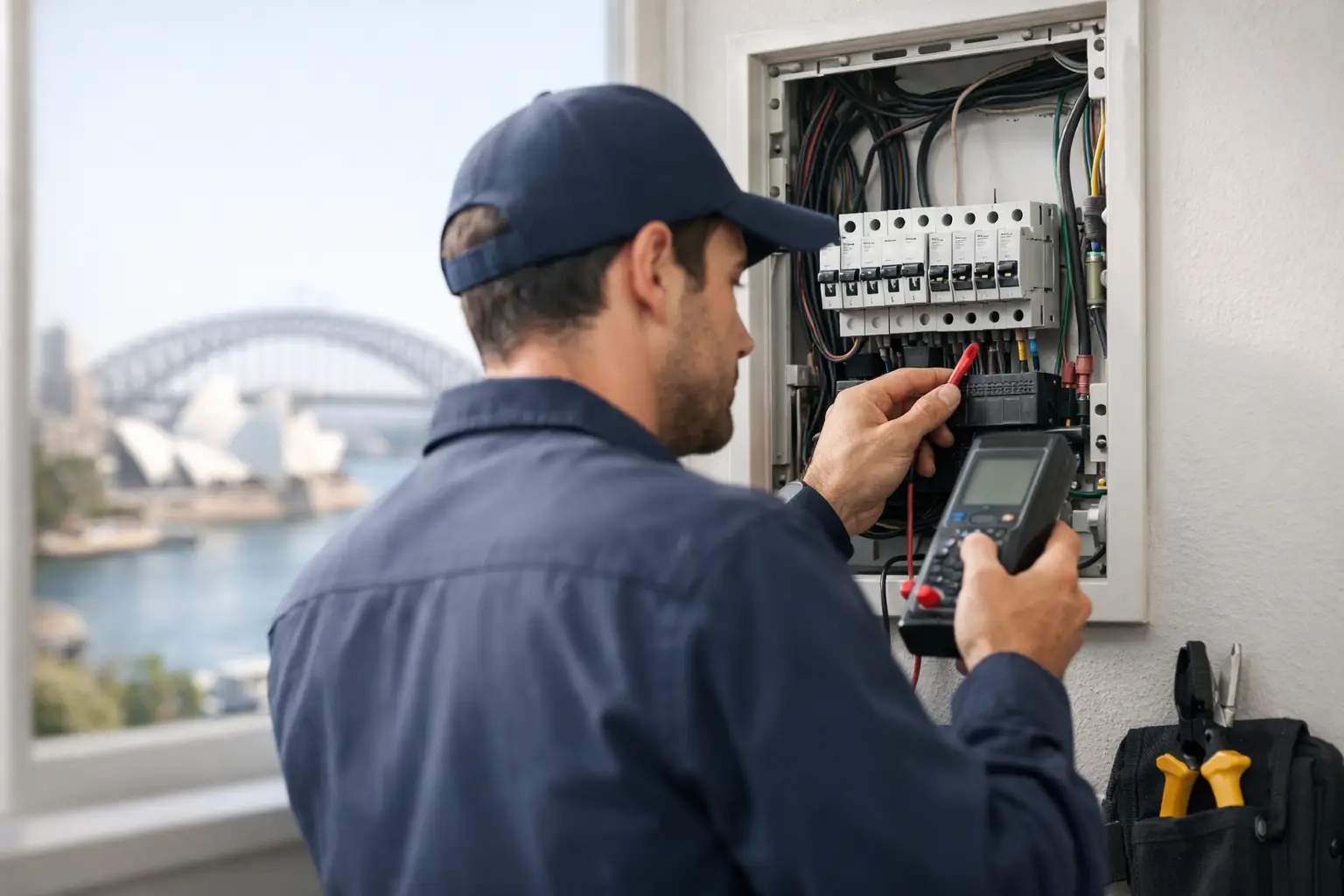
The exact scope can depend on the property and reason for the inspection, but a licensed electrician may assess areas such as:
- The switchboard and protective devices
- Safety switches or RCDs
- Accessible electrical wiring
- Power points and switches
- Earthing arrangements
- Visible signs of damage or deterioration
- Electrical circuits and their condition
- Other relevant parts of the electrical installation
Testing may also be required to identify issues that cannot be determined through visual inspection alone.
Why Are Electrical Safety Inspections Important?
Electrical faults can create risks including electric shock and fire. Some problems are obvious, such as a damaged power point, while others may remain hidden within the electrical installation.
An inspection provides an opportunity for a qualified professional to assess the condition of the system rather than relying only on whether the lights and appliances currently work.
This becomes particularly important as properties age or when their electrical demands change.
1. When Buying an Older Sydney Home
Buying an older property is one situation where an electrical inspection can be particularly valuable.
NSW Government guidance notes that an electrical inspection may be considered as part of the pre-purchase inspection process, particularly because older and faulty wiring can contribute to fires and electric shock.
An older home may have undergone multiple renovations or electrical alterations over its lifetime. Some parts of the installation may have been upgraded while others remain considerably older.
Having the electrical system assessed before purchasing can give you a clearer understanding of its condition and help identify potential work that may need to be considered after purchase.
2. Before Starting a Home Renovation
A renovation can significantly change the electrical requirements of a home.
Kitchen renovations, bathroom renovations and larger home improvements may introduce:
- Additional power points
- New lighting circuits
- Induction cooktops
- Electric ovens
- Air conditioning
- Underfloor heating
- New bathroom equipment
- Additional appliances
Before adding new electrical loads, it can be useful to understand the condition and capacity of the existing installation.
This can help identify electrical requirements early in the renovation rather than discovering them after cabinetry, walls or other finishes have already been completed.
3. If Your Switchboard Is Old
The switchboard is an important part of your home’s electrical system because it contains equipment used to control and protect electrical circuits.
Older properties may have switchboards that were designed for very different household electrical demands.
If you are unsure about the condition of your switchboard or whether appropriate safety switches are installed, a licensed electrician can assess it and advise whether work is recommended.
4. If Safety Switches Are Missing or You’re Unsure About Them
Safety switches, also known as residual current devices or RCDs, are designed to quickly disconnect electricity when certain electrical faults are detected.
They are different from ordinary circuit breakers. Circuit breakers primarily protect wiring and circuits, while safety switches provide protection against certain electric shock risks.
If you are unsure whether your home has appropriate safety-switch protection, have a licensed electrician check the switchboard.
5. When Circuit Breakers Keep Tripping
A circuit breaker or safety switch that repeatedly trips should not simply be treated as an inconvenience.
There can be several possible causes, including an appliance fault, circuit problem, electrical fault or excessive load.
Repeatedly resetting a protective device without understanding why it is operating does not address the underlying problem.
If a breaker or safety switch continues to trip, arrange for a licensed electrician to investigate.
6. When Power Points or Switches Are Damaged
Cracked, loose, discoloured or damaged switches and power points should not be ignored.
Other warning signs can include unusual warmth, buzzing noises or visible signs of overheating.
Avoid attempting to remove or repair electrical fittings yourself. Electrical wiring work in NSW must be performed by appropriately licensed electrical professionals.
7. When Lights Flicker Unexpectedly
An occasional light flicker does not automatically mean that your home has a serious electrical problem. The cause could relate to the lamp, fitting or other factors.
However, persistent or widespread flickering may justify investigation, particularly when accompanied by other electrical symptoms.
A licensed electrician can determine whether the issue relates to the fitting, circuit, electrical connection or another part of the installation.
8. After Water or Flood Damage
Water and electricity are a dangerous combination.
If electrical components or wiring have been affected by flooding, significant leaks or other water damage, do not assume the installation is safe simply because it appears dry afterwards.
Electrical installations affected by flooding can require inspection and testing before being safely re-energised.
Professional assessment is particularly important because moisture and contamination may affect components that are not immediately visible.
9. After Major Electrical Work
Major changes to a property can involve significant electrical work, including new circuits, switchboard work, appliance connections or alterations to existing wiring.
In NSW, electrical wiring work must be carried out by a licensed electrician.
Where applicable, electrical work must also be tested and documented through the required Certificate of Compliance for Electrical Work.
10. When Your Household’s Electrical Needs Have Increased
Modern homes often use considerably more electrical equipment than they did in the past.
Additional air conditioning, computers, entertainment systems, kitchen appliances, induction cooking, EV charging and other equipment can change the demands placed on a home’s electrical system.
If you are planning substantial new electrical loads, an electrician can assess the existing installation and determine what work may be required.
What Does an Electrician Look for During an Inspection?
The inspection will depend on the property and scope of work, but an electrician may look for issues such as:
- Visible wiring deterioration or damage
- Damaged switches or power points
- Evidence of overheating
- Switchboard condition
- Safety-switch protection
- Earthing arrangements
- Potentially unsafe electrical alterations
- Issues requiring further electrical testing
Where appropriate, electrical testing can provide information that cannot be obtained from visual inspection alone.
What Are Safety Switches?
Safety switches monitor electrical current and disconnect the supply when certain leakage faults are detected.
They can operate extremely quickly and provide important protection against serious electric shock.
It is important to understand that a safety switch and circuit breaker perform different functions, and having a circuit breaker does not necessarily mean a circuit has safety-switch protection.
Remember to Test Your Safety Switches
Safety switches need to be tested periodically to confirm that they operate.
NSW Government guidance recommends using the TEST button regularly. If a safety switch does not trip during testing, will not reset or behaves unexpectedly, contact a licensed electrician.
Testing the button does not replace a professional assessment of the electrical installation.
Electrical Inspections Before Kitchen Renovations
Kitchen renovations can introduce some of the largest electrical loads in a home.
Induction cooktops, ovens, dishwashers, rangehoods, refrigerators, lighting and additional power outlets all need to be considered during electrical planning.
Assessing electrical requirements early can help determine whether new circuits or other electrical work should be incorporated into the renovation.
Electrical Inspections Before Bathroom Renovations
Bathrooms require particularly careful electrical planning because electricity and water are present in the same environment.
Power points, switches, lighting, exhaust fans, heated towel rails and other electrical equipment need to be appropriately selected and positioned.
Electrical requirements should therefore be coordinated with the bathroom layout before waterproofing, tiling and other finishes are completed.
Can You Inspect or Repair Electrical Wiring Yourself?
Homeowners should not attempt DIY electrical wiring work.
In NSW, electrical installation work must be performed by appropriately licensed electrical professionals.
There are simple homeowner checks that do not involve electrical wiring, such as visually noticing a damaged outlet or using the TEST button on a safety switch as instructed.
But opening electrical equipment, modifying wiring, replacing power points or carrying out electrical repairs should be left to qualified professionals.
What Happens If the Inspection Finds a Problem?
Finding an issue does not necessarily mean the entire property needs rewiring.
The appropriate response depends on what is discovered.
An electrician may recommend repairing a particular fault, replacing damaged equipment, upgrading protection, modifying a circuit or undertaking more substantial work where the existing installation requires it.
The priority should be understanding the problem and completing any required work safely and appropriately.
Choosing an Electrician in Sydney
Electrical work should be carried out by a properly licensed electrician.
Before proceeding with work, homeowners can verify that the electrician holds the appropriate current licence.
Following applicable electrical work, the electrician should also provide the required compliance documentation.
Planning Renovation Electrical Work in Sydney?
Electrical planning is an important part of a successful renovation. Thinking about circuits, lighting, power points, appliances and electrical capacity early can help avoid unnecessary changes after the finished surfaces are installed.
RADZ Renovations coordinates the different elements involved in home renovation projects so electrical requirements can be considered alongside cabinetry, plumbing, tiling, lighting and other construction work.
Planning a home renovation in Sydney? Talk to RADZ Renovations about your project and the electrical requirements that may need to be coordinated as part of the renovation.